
Introduction: The Rise of AI in Academic Writing
Artificial intelligence is rapidly transforming the way students, researchers, and educators approach writing tasks. From generating essay outlines to improving grammar and sentence structure, AI-powered tools are becoming an essential part of modern education. Many students now rely on AI academic writing tools to save time, organize ideas, and enhance the quality of their assignments. Researchers are also using AI to summarize complex information, refine academic papers, and improve readability before publication. The growth of AI writing assistants has been driven by advancements in natural language processing and machine learning. Platforms such as OpenAI and Grammarly have introduced tools that can analyze text, suggest corrections, and even generate content in seconds. These technologies are especially useful for non-native English speakers who want to improve clarity and accuracy in their academic work. However, the increasing use of AI in education has also sparked debate. Some educators believe AI can improve learning and productivity, while others worry about plagiarism, overreliance on technology, and reduced critical thinking skills. As AI continues to evolve, understanding its benefits and limitations in academic writing is becoming more important than ever.
What Is AI Academic Writing?

AI academic writing refers to the use of artificial intelligence tools to assist with creating, editing, and improving educational or research-based content. These tools use advanced algorithms and language models to understand text patterns, generate human-like responses, and provide writing suggestions. Today, students and professionals use AI-powered platforms for essay writing, proofreading, citation generation, summarization, and research support. Generative AI works by analyzing large amounts of text data and predicting the most relevant words or sentences based on user prompts. Tools like OpenAI can generate introductions, thesis statements, or complete paragraphs within seconds. This makes academic writing with AI faster and more accessible for users who struggle with structure, grammar, or writer’s block. Most AI writing platforms include features such as grammar correction, plagiarism detection, paraphrasing, tone improvement, and content organization. Some tools also provide real-time writing feedback and readability analysis. Popular platforms like QuillBot and Notion help users improve clarity and productivity while maintaining academic standards. Although AI essay writing tools are highly efficient, they work best when combined with human creativity and critical thinking skills.
Benefits of Using AI for Academic Writing

Artificial intelligence has become a valuable resource for students and researchers who want to improve academic writing skills and work more efficiently. One of the biggest advantages of AI for students is faster research and idea generation. AI-powered tools can quickly summarize articles, suggest relevant topics, and provide brainstorming support, helping users overcome writer’s block and save time during the research process. Another major benefit is improved grammar and clarity. AI proofreading tools can identify spelling mistakes, awkward phrasing, punctuation issues, and readability problems within seconds. Platforms like Grammarly help students create polished and professional academic papers with fewer errors. These tools also provide writing suggestions that improve sentence flow and tone. AI can also enhance structure and organization by generating outlines, headings, and logical paragraph transitions. This makes essays and research papers easier to read and understand. In addition, AI tools support better time management by automating repetitive tasks such as formatting, editing, and citation creation. For non-native English speakers, AI writing assistants offer language support and vocabulary suggestions that improve confidence and communication. Although AI cannot replace human creativity, it can significantly enhance productivity and writing quality when used responsibly.
Popular AI Tools for Academic Writing

Several AI-powered platforms are helping students and professionals produce higher-quality academic content more efficiently. These tools offer features such as grammar correction, paraphrasing, idea generation, note organization, and readability improvement. As demand for AI proofreading tools grows, users now have access to a wide range of solutions designed for academic writing and research support. One of the most widely used platforms is OpenAI, which provides advanced AI writing assistance for brainstorming, outlining, summarizing, and generating academic content. It is especially useful for students who need help organizing ideas or refining drafts. Grammarly is another leading tool known for its powerful grammar checking, punctuation correction, and clarity suggestions. It helps users improve sentence structure and maintain a professional writing style. QuillBot specializes in paraphrasing and rewriting text while preserving meaning. This makes it useful for improving readability and avoiding repetitive language in essays and research papers. Meanwhile, Notion combines note-taking, organization, and AI-generated writing support in one platform. Students can manage research, create outlines, and draft assignments more efficiently. Together, these are considered some of the best AI tools for academic writing available today.
Can AI Improve Essay Quality?
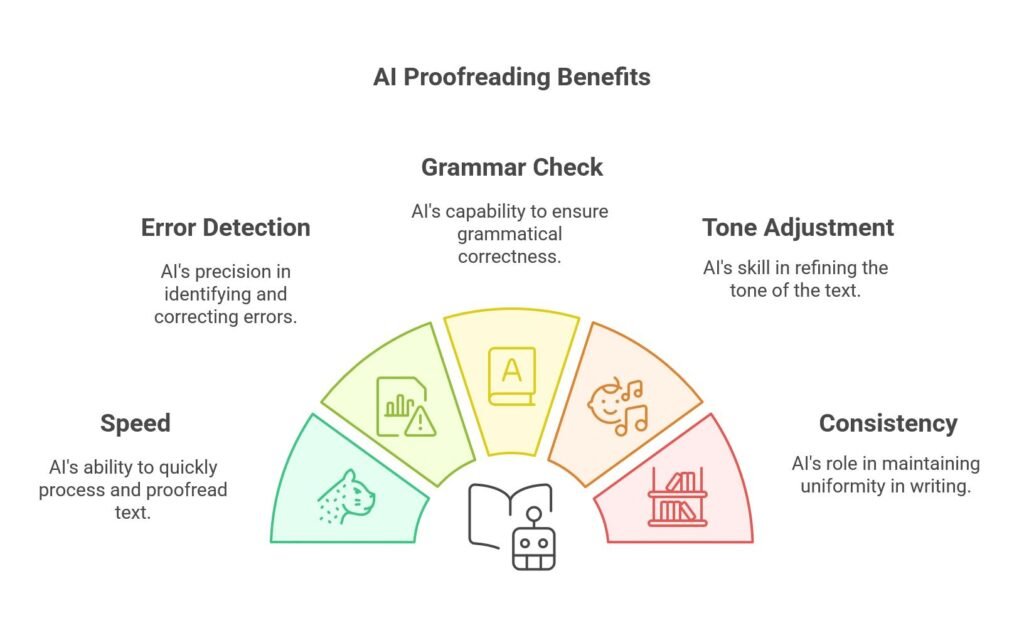
AI technology has significantly changed the way students approach essay writing by helping improve clarity, coherence, and overall readability. Modern AI essay writing tools can analyze sentence structure, identify weak arguments, and suggest better word choices to create more polished academic content. These features make AI writing assistants especially helpful for students who struggle with grammar, organization, or writer’s block. One major advantage of AI is its ability to generate essay outlines and thesis statements quickly. By providing a topic or prompt, users can receive structured suggestions that help organize ideas logically. This can save time during the planning stage and make essays easier to develop. AI tools can also recommend smoother transitions between paragraphs, improving the overall flow of the paper. However, there is an important difference between AI-assisted editing and full content generation. Editing tools focus on refining a student’s original work by improving grammar, clarity, and readability. Full AI-generated essays, on the other hand, may lack critical thinking, originality, or accurate references if not reviewed carefully. When used responsibly, AI essay improvement tools can enhance writing quality and productivity. Still, human creativity, analysis, and fact-checking remain essential for producing strong academic work that meets educational standards
Ethical Concerns and Academic Integrity
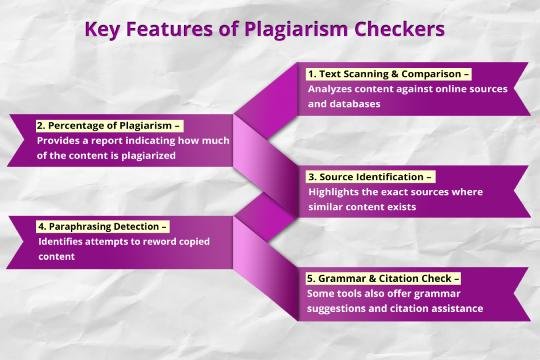
As AI tools become more common in education, ethical concerns and academic integrity issues are gaining attention. One of the biggest questions students ask is whether using AI for assignments is considered cheating. The answer often depends on how the technology is used and the policies of individual institutions. Many universities allow AI tools for brainstorming, grammar correction, and research assistance, but discourage or prohibit submitting fully AI-generated work as original content. Plagiarism risks are another major concern in AI academic writing. Some AI tools can generate text that closely resembles existing online content, which may lead to accidental plagiarism if students do not properly review and edit their work. This is why plagiarism detection and citation checking remain important when using AI-generated material. University policies on AI usage are evolving rapidly as educators adapt to new technology. Some institutions encourage responsible AI use, while others have strict guidelines regarding disclosure and originality. Students should always understand their school’s academic integrity rules before using AI writing assistants. The ethical use of AI in education involves treating AI as a support tool rather than a replacement for learning. Responsible use includes fact-checking information, adding personal analysis, and ensuring that final work reflects the student’s own understanding and critical thinking abilities.
Limitations of AI in Academic Writing
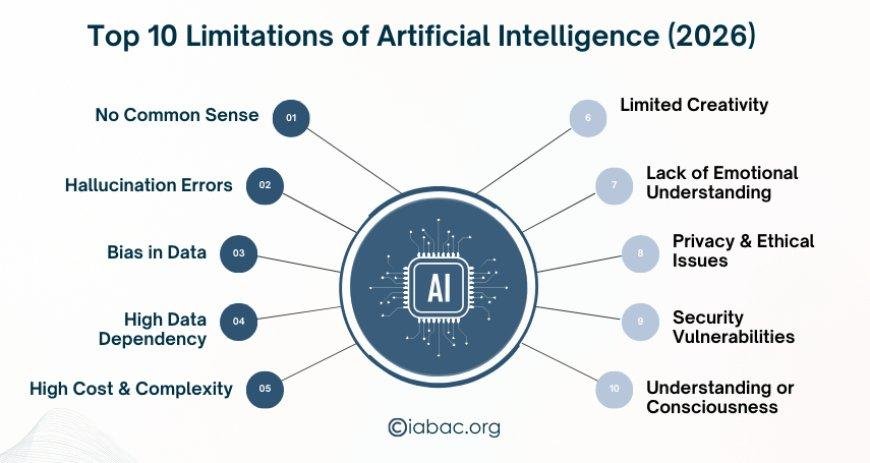
Although AI writing tools offer many benefits, they also have important limitations that students and researchers should understand. One of the biggest AI writing limitations is the lack of
genuine critical thinking. AI systems can generate text based on patterns and data, but they do not truly understand arguments, emotions, or complex academic concepts in the same way humans do. As a result, AI-generated content may sound convincing while lacking depth or originality. Another challenge is inaccurate or fabricated information. AI tools sometimes produce incorrect facts, fake references, or misleading explanations, commonly known as “hallucinations.” This can create serious problems in academic writing, where accuracy and credibility are essential. Users should always verify information from reliable academic sources before including it in assignments or research papers. Overdependence on AI tools is another growing concern. Students who rely too heavily on AI for writing may struggle to develop their own analytical, research, and communication skills over time. Academic success requires independent thinking, which AI cannot fully replace. There is also an ongoing debate between human creativity and machine-generated content. While AI can improve grammar and structure, it cannot fully replicate personal insight, emotional depth, or unique perspectives. Human input remains essential for creating meaningful and authentic academic work.
Best Practices for Using AI Effectively

Using AI responsibly can help students improve productivity while maintaining strong academic standards. One of the most important AI writing best practices is to use AI as an assistant rather than a replacement for human effort. AI tools are most effective when they support brainstorming, proofreading, outlining, and editing instead of generating complete assignments without personal input. Fact-checking AI-generated content is also essential. While AI can provide quick answers and suggestions, it may occasionally produce inaccurate information or unreliable references. Students should verify facts using trusted academic sources, journals, and textbooks before submitting their work. This ensures both accuracy and academic credibility. Another important practice is maintaining your personal writing voice. AI tools can improve grammar and readability, but relying too much on machine-generated text may make writing sound generic or unnatural. Adding personal analysis, critical thinking, and unique perspectives helps preserve authenticity in academic writing. Combining AI with human editing produces the best results. Students can use AI proofreading tools to identify errors and improve structure while still reviewing and refining the final draft themselves. This balanced approach allows users to benefit from AI efficiency without sacrificing originality or creativity. Understanding how to use AI for academic writing responsibly can help students learn more effectively while avoiding ethical and academic risks.
The Future of AI in Education and Research

The future of AI in education is expected to bring major changes to how students learn, write, and conduct research. AI-powered learning environments are becoming more advanced, offering
interactive and personalized educational experiences. Instead of using one teaching method for every student, AI systems can analyze learning patterns and provide customized recommendations based on individual strengths and weaknesses. This can help students improve academic performance while learning at their own pace. Personalized writing support is another important development in AI research writing. Modern AI tools can already suggest grammar corrections, improve sentence structure, and generate ideas in real time. In the future, these systems may provide even deeper feedback on argument quality, research accuracy, and citation formatting. Students and researchers could receive tailored writing guidance that adapts to their academic level and writing style. AI is also likely to influence academic publishing and research processes. Researchers may use AI to summarize studies, analyze large datasets, and speed up literature reviews. Academic journals could adopt AI-assisted peer review systems to improve efficiency and accuracy. However, human oversight will remain essential to maintain ethical standards, originality, and research credibility. As technology evolves, AI will continue shaping education while supporting, not replacing human intelligence and creativity.
Conclusion: Should You Use AI for Academic Writing?

AI technology is transforming the way students and researchers approach writing tasks, offering tools that improve efficiency, organization, and language quality. From grammar correction and idea generation to research assistance and essay structuring, AI academic writing tools provide valuable support for users at different educational levels. These technologies can save time, reduce errors, and help users create clearer and more professional academic content. However, AI also comes with important risks and limitations. Issues such as plagiarism, inaccurate information, and overdependence on technology highlight the need for responsible usage. While AI can improve productivity, it cannot fully replace human critical thinking, creativity, and personal analysis. Academic success still depends on understanding concepts, conducting reliable research, and expressing original ideas effectively. Students and researchers should view AI as a supportive assistant rather than a complete solution. Using academic writing tools responsibly means fact-checking information, following university guidelines, and maintaining authenticity in written work. Combining AI assistance with human editing and independent thinking produces the best results. As AI continues to evolve, its role in education and research will likely expand even further. When used ethically and thoughtfully, AI can become a powerful resource for improving academic writing while still preserving the importance of human learning and creativity.