

Storytelling is one of the most powerful communication tools a writer can master. Whether you are writing blog posts, academic essays, fiction, or marketing content, storytelling helps transform ordinary writing into something memorable, emotional, and engaging.
1. Introduction: Why Storytelling Matters in Writing

In 2026, storytelling is more important than ever. With short attention spans and endless online content, readers are drawn to writing that feels human and engaging. Strong storytelling helps writers stand out, improve reader engagement, and communicate ideas more effectively. It allows you to connect with your audience on a deeper level, making your message more persuasive and memorable.
At its core, storytelling is about conveying ideas through structure, emotion, and meaning. So, what are storytelling techniques? These are the methods writers use to craft compelling narratives, such as building a strong plot, developing relatable characters, and creating emotional impact. Good storytelling is not limited to fiction; it plays a crucial role in content writing, business communication, and digital marketing.
Additionally, storytelling improves readability. Instead of presenting dry facts, writers can use narrative flow to guide readers smoothly from one idea to another. This enhances user experience, SEO performance, and overall content quality.
In short, mastering storytelling techniques is essential for any writer who wants to succeed today. Whether you are a beginner or an experienced writer, learning how to tell a story will significantly elevate your writing skills and impact.
2. What Makes a Great Story? Core Elements of Storytelling

A great story does not happen by accident. It is built using key elements that form the foundation of effective storytelling. Understanding these elements is essential for improving your writing skills and mastering storytelling techniques.
- Plot: The sequence of events that keeps readers engaged from beginning to end.
- Character Development: Creating believable and relatable characters that readers connect with emotionally.
- Setting: The time, place, and environment where the story takes place.
- Conflict: The problem or challenge that creates tension and interest.
- Theme: The deeper message or meaning behind the story.
- Emotional Connection: The feeling that makes a story memorable and shareable.
The first element is plot, which refers to the sequence of events in a story. A strong plot keeps readers engaged and ensures a clear progression from beginning to end. Next is character development, which involves creating believable and relatable characters. Readers connect emotionally with characters, making them a crucial part of any successful story.
Setting provides the context in which the story takes place. A well-described setting helps readers visualize the scene and enhances the overall narrative. Equally important is conflict, the driving force behind any story. Conflict creates tension and keeps readers interested, whether it is internal within a character or external between characters or situations.
Another essential element is the theme, which represents the underlying message or meaning of the story. A strong theme gives depth and purpose to your writing.
You can find powerful storytelling even in everyday writing, such as blog posts, advertisements, and social media content. By combining plot, characters, and emotion, writers can turn simple ideas into compelling narratives that capture attention and improve reader engagement.
3. Understanding Narrative Structure
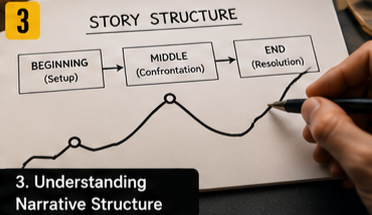
A clear and effective narrative structure is the backbone of any successful story. It provides a framework that helps writers organize their ideas and ensures a smooth flow of information. Without structure, even the most creative stories can feel confusing or incomplete.
The most basic structure consists of three parts: the beginning, middle, and end. The beginning introduces the characters, setting, and main idea. The middle develops the story by adding conflict and building tension. The end resolves the conflict and delivers a satisfying conclusion.
The Three-Act Structure
One of the most popular storytelling techniques is the three-act structure. In Act 1, the setup introduces the story and its characters. Act 2, the confrontation, presents challenges and obstacles. Act 3, the resolution, brings closure and answers key questions. This structure is widely used in fiction, film, and even content writing.
Writers can also experiment with linear and non-linear storytelling techniques. Linear storytelling follows a chronological order, making it easy to understand. Non-linear storytelling may involve flashbacks or shifting timelines, adding complexity and intrigue.
Narrative flow plays a crucial role in keeping readers interested. A well-structured story guides the reader naturally from one point to another, improving readability and comprehension. Poor structure can lead to confusion and loss of interest.
By mastering narrative structure, writers can create more compelling and organized content. It not only enhances storytelling but also improves SEO performance, as readers are more likely to stay engaged and spend more time on well-structured content.
4. Character Development Techniques

Strong character development is at the heart of effective storytelling. Readers do not just follow plots; they connect with people. Creating relatable and memorable characters is one of the most important storytelling techniques every writer should master.
To begin with, relatable characters have clear motivations, strengths, and flaws. Perfect characters feel unrealistic, while flawed characters feel human. Giving your characters goals and challenges makes them more engaging and helps drive the plot development forward.
A key part of storytelling is the dynamic between the protagonist and antagonist. The protagonist is the main character, while the antagonist creates obstacles or conflict. This opposition builds tension and keeps readers invested in the story. Even in non-fiction or blog writing, this conflict can appear as opposing ideas or challenges.
Another essential element is the character arc, which refers to how a character changes over time. A strong character transformation, whether emotional, psychological, or moral, adds depth and meaning to your narrative. Readers want to see growth, failure, and eventual change.
Writers can also reveal personality through actions and dialogue rather than direct description. Instead of telling readers a character is brave, show it through decisions and behavior. Dialogue can highlight tone, attitude, and relationships, making characters feel more authentic.
Ultimately, well-developed characters improve reader engagement and make your story more memorable. Whether you are writing fiction, blog content, or business storytelling, investing in character development will elevate your overall writing quality.
5. The Power of Show, Don’t Tell

One of the most widely discussed writing techniques is “show, don’t tell.” But what does it really mean? In simple terms, it is about using vivid details, actions, and descriptions to allow readers to experience the story rather than just being told information.
Weak writing: She was nervous.
Strong storytelling: Her hands trembled, and she avoided eye contact as she spoke.
This approach creates a more immersive experience and improves reader engagement. Using sensory details and descriptive language is key to showing rather than telling. By appealing to sight, sound, touch, taste, and smell, writers can create vivid scenes that draw readers in. This technique is especially powerful in creative writing, but it also enhances blog writing and digital content.
However, it is important to understand that telling is not always bad. In some cases, telling is more efficient, especially when summarizing information or moving the story forward quickly. Overusing descriptive details can slow down the narrative and reduce clarity.
The best approach is balance. Use “show, don’t tell” when you want to emphasize emotion, action, or important moments. Use telling when brevity and clarity are more important.
Mastering this technique can significantly improve your writing style, making your content more engaging, dynamic, and impactful. It is a fundamental skill for anyone looking to enhance their storytelling techniques.
6. Crafting Compelling Conflict and Tension

Conflict is the engine that drives every great story. Without it, there is no tension, no stakes, and no reason for readers to keep reading. Understanding how to create and manage conflict is essential for effective storytelling techniques.
There are two main types of conflict: internal conflict and external conflict. Internal conflict occurs within a character, such as fear, doubt, or moral dilemmas. External conflict involves outside forces, such as other characters, society, or environmental challenges. Both types are important for building a well-rounded narrative.
To build tension in storytelling, writers must gradually increase the stakes. This can be done by introducing obstacles, raising questions, and delaying resolution. Tension keeps readers curious and emotionally invested in what happens next.
Keeping readers hooked from start to finish requires careful pacing. Each scene or paragraph should move the story forward or deepen the conflict. Avoid unnecessary details that slow down the narrative, and focus on maintaining momentum.
Stakes play a crucial role in plot development. Stakes answer the question: “Why does this matter?” The higher the stakes, the more engaged readers will be. Whether it is personal loss, success, or survival, clear stakes give meaning to the conflict.
By mastering conflict and tension, writers can create more compelling and engaging stories. This not only improves reader engagement but also strengthens the overall impact of your writing.
7. Dialogue Writing Techniques

Effective dialogue writing is a powerful storytelling tool that brings characters to life and enhances narrative flow. Good dialogue feels natural, purposeful, and engaging, making it an essential skill for any writer.
To write natural dialogue, focus on how people actually speak. Conversations should sound realistic but not overly detailed or repetitive. Avoid unnecessary filler words and keep dialogue concise while maintaining authenticity.
Dialogue is also a great way to reveal character and advance the plot. Instead of explaining everything through narration, let characters express their thoughts, emotions, and conflicts through conversation. This adds depth and improves reader engagement.
However, there are common mistakes to avoid. Overusing dialogue tags like “he said” or “she said” can become repetitive, while overly complex language can make dialogue feel unnatural. Another common issue is using dialogue purely for exposition, which can feel forced.
Proper formatting of dialogue is also important for clarity and readability. Each new speaker should start a new paragraph, and punctuation should be used correctly. Clean formatting ensures a smooth reading experience and improves the overall quality of your writing.
When used effectively, dialogue enhances storytelling by making scenes more dynamic and interactive. It helps readers connect with characters and keeps the narrative engaging. Mastering dialogue writing will significantly improve your storytelling techniques and elevate your writing to a more professional level.
8. Setting and World-Building

A strong setting does more than describe where a story takes place. It brings the narrative to life. Effective world-building helps readers visualize scenes, understand context, and feel immersed in the story. Whether you are writing fiction, blog content, or business stories, creating vivid settings is a key storytelling technique.
To create vivid settings, use specific and sensory details. Instead of saying “a busy city,” describe the sounds of traffic, the glow of streetlights, or the energy of the crowd. This kind of descriptive writing enhances reader engagement and makes your content more memorable.
Setting also plays a crucial role in shaping mood and tone. A dark, stormy night can create suspense, while a bright, open landscape can evoke calmness or hope. By aligning your setting with the emotional tone of your story, you strengthen its overall impact.
World-building is often associated with fiction, but it is equally important in non-fiction and content writing. In blog writing or marketing, world-building can mean creating context, helping readers understand a situation, environment, or scenario clearly.
However, one common mistake is info-dumping, where too much background information is given at once. This can overwhelm readers and slow down the narrative. Instead, introduce details gradually and only include what is relevant to the story.
By mastering setting and world-building, writers can create more immersive and engaging content. It enhances storytelling depth and keeps readers invested from beginning to end.
9. Point of View and Narrative Voice

Point of View, also known as POV, and narrative voice are essential elements of storytelling that shape how a story is told. Choosing the right POV can significantly impact how readers connect with your content and understand your message.
There are three main types of POV: first-person, third-person, and omniscient. First-person POV uses “I” and provides a personal, intimate perspective. Third-person POV uses “he,” “she,” or “they” and offers more flexibility. Omniscient POV gives the narrator full knowledge of all characters and events. Each has its strengths, depending on the type of story you are telling.
Selecting the right narrative voice depends on your purpose and audience. A conversational tone may work well for blog writing, while a more formal voice is suitable for academic or professional content. The key is to align your voice with your goals and maintain consistency throughout.
Maintaining consistency in POV is crucial. Switching perspectives without clear intention can confuse readers and disrupt narrative flow. A clear and stable point of view improves readability and strengthens storytelling techniques.
POV also affects the emotional depth and overall impact of your story. A close first-person perspective can create strong emotional connections, while a broader third-person view can provide more context and complexity.
By understanding and applying POV effectively, writers can enhance clarity, engagement, and storytelling quality.
10. Writing Style and Tone

Your writing style is what makes your work unique. It reflects your voice, word choice, sentence structure, and overall approach to storytelling. Developing a strong writing style is essential for standing out and improving your writing skills.
To build a unique style, focus on clarity and consistency. Experiment with different techniques, read widely, and practice regularly. Over time, your voice will naturally evolve into something distinctive and recognizable.
Tone is equally important. It refers to the attitude or emotion conveyed in your writing. Matching tone to your audience and purpose is a key storytelling technique. For example, a conversational tone works well for blogs, while a formal tone is better suited for academic writing.
Using literary devices such as metaphors, similes, and symbolism can enhance your writing and make it more engaging. These tools add depth and creativity, helping readers connect with your content on a deeper level.
However, it is important to balance clarity and creativity. Overly complex language can confuse readers, while overly simple writing may lack impact. The goal is to communicate ideas clearly while still being engaging and expressive.
A strong writing style and appropriate tone improve readability, boost reader engagement, and make your storytelling more effective.
11. Storytelling Techniques for Different Formats

Storytelling is not limited to fiction. It plays a vital role across various forms of writing. Adapting storytelling techniques to different formats can significantly improve the effectiveness of your content.
In blog writing, storytelling helps capture attention and keep readers engaged. Instead of presenting information in a dry format, using narratives, examples, and relatable scenarios makes content more appealing and easier to understand.
In business and marketing, storytelling is a powerful tool for persuasion. Brands use stories to connect with audiences, build trust, and communicate value. A compelling narrative can make products and services more relatable and memorable.
Even in academic writing, storytelling has its place. While the tone is more formal, using clear structure, logical flow, and relevant examples can make complex ideas easier to understand.
For digital platforms, storytelling must be adapted for shorter attention spans. This means using concise language, engaging openings, and clear structure. Visual elements, headings, and formatting also play a role in enhancing storytelling online.
Understanding how to adjust your storytelling approach based on format is essential for modern writers. It improves content writing quality, boosts SEO performance, and ensures your message resonates with different audiences.
By mastering storytelling across formats, you can become a more versatile and effective writer.
12. Editing and Refining Your Story
Great storytelling does not end with the first draft. Editing and refining your story is where good writing becomes exceptional. Strong self-editing techniques help improve clarity, structure, and overall impact, making your content more engaging and professional.
One effective approach is to edit in stages. First, focus on the big picture. Check your narrative structure, plot development, and character consistency. Then, move to sentence-level editing, improving grammar, word choice, and readability. This step-by-step process ensures nothing is overlooked.
There are also common storytelling mistakes to watch for. These include weak openings, lack of clear conflict, inconsistent tone, and overuse of unnecessary details. Identifying and fixing these issues can significantly enhance reader engagement and storytelling quality.
Using editing tools and checklists can make the process more efficient. Tools like grammar checkers and readability analyzers help catch technical errors, while a simple checklist ensures your story has strong structure, clear purpose, and smooth flow.
Another crucial part of refining your writing is seeking feedback and revision. Getting input from others, whether peers, mentors, or readers, provides fresh perspectives and highlights areas for improvement. Constructive feedback helps you grow as a writer and strengthens your storytelling skills.
Ultimately, editing is not just about correcting mistakes; it is about enhancing your message. By refining your work carefully, you can create polished, impactful content that resonates with your audience and showcases your storytelling techniques.
13. Practical Storytelling Exercises
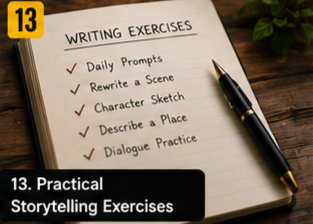
Improving your storytelling requires consistent practice. Engaging in practical storytelling exercises is one of the most effective ways to build your skills and develop confidence as a writer.
One simple method is using daily writing prompts. These prompts encourage creativity and help you explore different styles, genres, and perspectives. Even spending 10 to 15 minutes a day on a prompt can significantly improve your writing skills over time.
Another powerful exercise is rewriting. Take an existing piece of writing, your own or someone else’s, and rewrite it with stronger storytelling techniques. Focus on improving narrative structure, character development, and descriptive language. This helps you understand what makes writing more engaging.
Learning how to analyze successful stories is equally important. Read books, articles, or blog posts and examine how they use storytelling elements like plot, conflict, and dialogue. Ask yourself what makes them effective and how you can apply those techniques to your own writing.
Building a consistent writing habit is key to long-term improvement. Set realistic goals, create a writing schedule, and track your progress. Consistency helps you develop discipline and refine your storytelling abilities over time.
Practical Exercises for Writers
- Write one short story opening every day.
- Rewrite a plain paragraph using “show, don’t tell.”
- Create a character with one goal, one fear, and one weakness.
- Describe a location using all five senses.
- Write a dialogue scene without explaining emotions directly.
- Analyze a successful blog post and identify its storytelling structure.
By practicing regularly and experimenting with different techniques, you can strengthen your storytelling skills and become a more confident, versatile writer.
14. Conclusion: Mastering Storytelling as a Writer

Mastering storytelling techniques is one of the most valuable skills a writer can develop. From understanding narrative structure to creating compelling characters and conflict, each element plays a crucial role in crafting engaging and impactful content.
Throughout this guide, we explored key strategies such as character development, “show, don’t tell,” dialogue writing, and world-building. These techniques help transform simple ideas into powerful narratives that capture attention and improve reader engagement.
To continue improving your storytelling skills, focus on consistent practice and continuous learning. Read widely, write regularly, and experiment with different styles and formats. Pay attention to feedback and always look for ways to refine your work.
It is also important to stay adaptable. As digital content evolves, writers must adjust their storytelling techniques to suit different platforms and audiences. Whether you are writing blogs, business content, or creative stories, the ability to tell a compelling story will always be a valuable asset.
Finally, do not hesitate to share your work. Publishing your writing, whether on a blog, website, or social media, helps you gain experience, build confidence, and connect with your audience.
Storytelling is a skill that improves over time. With dedication, practice, and the right techniques, you can become a more effective and impactful writer.